Trophies are iconic symbols of achievement, but have you ever wondered how they’re made? From intricate crystal designs to sturdy metal cups, trophy crafting is a fascinating blend of artistry, technology, and precision. In this guide, we’ll take you behind the scenes to explore the step-by-step process of how trophies are made, shedding light on the materials, techniques, and craftsmanship involved.
The Trophy-Making Process: An Overview
Creating a trophy involves several stages, from conceptual design to final polishing. Whether it’s a custom award for a corporate event or a classic sports trophy, the process combines creativity with technical expertise. Let’s break it down.
1. Conceptualizing the Design
The journey begins with a vision. Designers work with clients to determine the trophy’s purpose, style, and specifications.
- Steps:
- Brainstorming ideas based on the event (e.g., sports, academic, or corporate).
- Sketching or using design software (like CAD) to create 2D or 3D models.
- Incorporating custom elements like logos, figurines, or unique shapes.
- Considerations: Budget, material choice, and event theme influence the design.
Example: A soccer trophy might feature a player figurine, while a corporate award could include a company logo.
2. Choosing the Materials
Trophies are crafted from various materials, each requiring specific techniques.
- Common Materials:
- Crystal: Optical crystal for premium, transparent designs.
- Acrylic: Lightweight and versatile for colorful, custom shapes.
- Metal: Gold, silver, or bronze for durable, classic trophies.
- Wood: Used for plaques or bases, offering a traditional look.
- Resin: Moldable for intricate figurines at a lower cost.
- Selection Factors: Durability, aesthetic appeal, and budget.
3. Shaping and Molding
Once the design and materials are chosen, the trophy takes shape through various crafting techniques.
- For Metal Trophies:
- Casting: Molten metal is poured into molds to create shapes like cups or figurines.
- Stamping: Metal sheets are cut and shaped for flat components.
- For Crystal and Acrylic:
- Cutting: Precision lasers or diamond-tipped tools cut the material into desired shapes.
- Molding: Acrylic is heated and molded for custom designs.
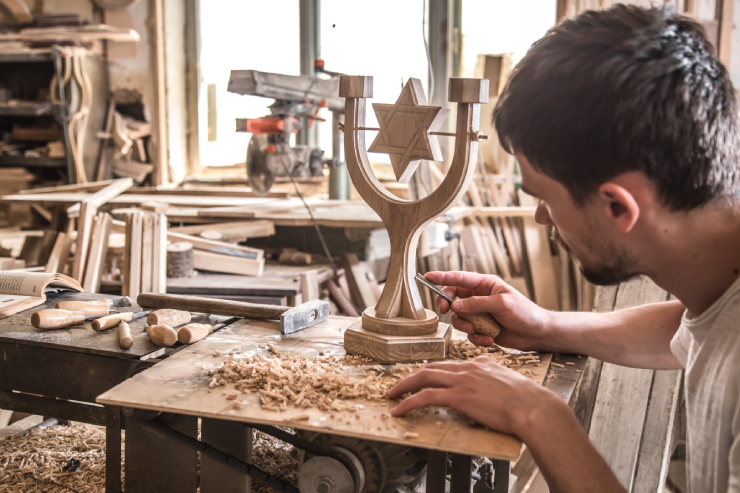
- For Wood:
- Carving: Wood is cut and shaped for plaques or bases.
- Sanding: Ensures a smooth, polished surface.
- For Resin:
- Molding: Liquid resin is poured into detailed molds and hardened.
4. Engraving and Personalization
Personalization makes trophies meaningful, adding names, dates, or messages.
- Techniques:
- Laser Engraving: Precise and versatile, used on crystal, acrylic, and metal.
- Etching: Chemical or sandblasting methods for crystal and glass.
- Plaque Engraving: Metal or acrylic plates are engraved and attached to bases.
- Details: Custom text, logos, or event-specific graphics are added.
Example: A trophy might be engraved with “2025 MVP Award” or a recipient’s name.
5. Finishing and Polishing
The final touches ensure the trophy looks pristine and professional.
- Processes:
- Polishing: Buffing to achieve a shiny, reflective surface (especially for metal and crystal).
- Coating: Applying gold, silver, or bronze finishes to metal or resin trophies.
- Assembly: Attaching components like bases, figurines, or plaques.
- Quality Check: Inspecting for flaws, alignment, and clarity.
6. Packaging and Delivery
Once completed, trophies are carefully packaged to prevent damage during transport.
- Steps:
- Wrapping in protective materials like foam or bubble wrap.
- Boxing with custom inserts for fragile items like crystal.
- Shipping to clients or event organizers.
Modern Technology in Trophy Crafting
Advancements in technology have revolutionized trophy making:
- 3D Printing: Used for rapid prototyping or creating intricate resin and acrylic designs.
- CNC Machines: Precision cutting for metal and wood components.
- Laser Engraving: Allows for detailed, high-speed personalization.
- CAD Software: Enables complex, custom designs with accuracy.
These tools make it possible to produce trophies faster and with greater customization than ever before.
Challenges in Trophy Crafting
- Precision: Ensuring intricate details are flawless, especially for crystal or metal.
- Material Costs: High-end materials like crystal or sterling silver can be expensive.
- Time Constraints: Custom orders often require quick turnarounds for events.
- Durability: Balancing aesthetics with materials that withstand handling and display.
Why Quality Matters
A well-crafted trophy does more than honor an achievement—it creates a lasting memory. High-quality materials and craftsmanship ensure the trophy remains a cherished keepsake for years, whether displayed on a shelf or in a trophy case.